DTP Parts is reader-supported. When you buy through links on our site, we may earn an affiliate commission at no extra cost to you.
.jpg?x-oss-process=image/auto-orient,1/quality,q_100/resize,m_mfit,w_350,h_350)
Price: $54.00
DTP Parts is reader-supported. When you buy through links on our site, we may earn an affiliate commission at no extra cost to you.
Price: $54.00
DTP Parts is reader-supported. When you buy through links on our site, we may earn an affiliate commission at no extra cost to you.
.jpg?x-oss-process=image/auto-orient,1/quality,q_100/resize,m_mfit,w_350,h_350)
Price: $80.00
DTP Parts is reader-supported. When you buy through links on our site, we may earn an affiliate commission at no extra cost to you.
Affiliate Disclosure: dtpparts.com is a participant in affiliate advertising programs. We may earn a commission when you purchase through links on this page, at no extra cost to you.
If you drive a 2019-2024 Honda Civic, you already know this car is built to last — but only if you keep up with the basics. And nothing is more fundamental than choosing the right oil filter for your Honda Civic. A quality oil filter keeps contaminants out of your engine, maintains oil pressure, and protects the 1.5L turbocharged or 2.0L naturally aspirated engine that powers your Civic. With dozens of options on the market, it can feel overwhelming. That’s why we’ve narrowed it down to the three most trusted brands: Mobil 1, K&N, and Fram. Let’s break them down so you can make an informed decision without second-guessing yourself at the parts counter.
| Feature | Mobil 1 Extended Performance | K&N Performance Gold | Fram Ultra Synthetic |
|---|---|---|---|
| Filter Media | Synthetic blend | Premium synthetic | Ultra synthetic fiber |
| Change Interval | Up to 15,000 miles | Up to 10,000 miles | Up to 20,000 miles |
| Anti-Drain Back Valve | Yes | Yes | Yes |
| Fits 2019-2024 Civic | Yes (1.5T & 2.0L) | Yes (1.5T & 2.0L) | Yes (1.5T & 2.0L) |
| Price Range | $$ | $$ | $$$ |
| Best For | Everyday drivers | Performance enthusiasts | Extended interval drivers |
The Mobil 1 Extended Performance oil filter is one of the most popular choices for Honda Civic owners — and for good reason. It pairs perfectly with full synthetic oil, which is exactly what Honda recommends for the 1.5L turbocharged engine found in most 2019-2024 Civics. The synthetic blend media captures particles as small as 25 microns, which is more than adequate for keeping your L15B7 or K20C4 engine clean between changes.
What stands out here is the silicone anti-drain back valve. On turbocharged engines like the Civic’s 1.5T, oil needs to reach the turbo quickly at startup. This valve ensures oil doesn’t drain back into the pan when the car sits overnight — protecting your turbo bearings when you first turn the key.
It’s rated for up to 15,000 miles, which lines up well with Honda’s Maintenance Minder system. Most Civic owners report it threads on and off cleanly with no leaks — always a bonus when doing a DIY oil change in your driveway.
Best for: Daily drivers who want a dependable, no-fuss filter at a fair price.
Check Fitment & Price for Your Civic →
[CTA_BUTTON:mobil1-extended-performance-honda-civic:Mobil 1 Extended Performance]
If you drive a 2022-2024 Honda Civic Si or Type R, or you’ve added any performance mods to your Civic, the K&N Performance Gold filter deserves a serious look. K&N is legendary in the performance world, and their oil filters live up to that reputation. The filter features a heavy-duty metal end cap, a high-flow design, and a wrench-off nut welded directly to the housing — making removal a breeze even when it’s torqued tight or surrounded by heat from your exhaust.
The synthetic filtration media is designed for high-flow applications, which is especially relevant if you’re pushing your Civic’s 1.5T harder than stock. The filter maintains excellent oil flow under pressure without sacrificing filtration efficiency — a balance that cheaper filters often can’t achieve.
K&N rates this filter for up to 10,000 miles, which is more conservative than competitors. That said, many enthusiasts appreciate the peace of mind that comes with a more frequent change schedule when running a spirited driving style.
Best for: Civic Si, Type R, and Civic owners who prioritize performance and ease of DIY maintenance.
Check Fitment & Price for Your Civic →
[CTA_BUTTON:kn-performance-gold-honda-civic:K&N Performance Gold]
Fram has been a household name in oil filtration for decades, and their Ultra Synthetic line represents the pinnacle of what they offer. Designed specifically for use with full synthetic oil, the Ultra Synthetic filter boasts a 20,000-mile or 1-year change interval — the longest of the three options here. If you’re the type of Civic owner who stretches oil changes a little (no judgment), this filter gives you real peace of mind.
Inside, you’ll find SureGrip technology on the outside of the housing for a no-slip grip during installation and removal, and an advanced synthetic fiber media that captures 99% of harmful contaminants. The filter also includes a Sure-Grip rubber coating on the exterior and a high-quality silicone anti-drain back valve rated for extreme temperatures — ideal for those winter cold starts in northern climates.
It fits both the 1.5L turbocharged and 2.0L naturally aspirated versions of the 2019-2024 Civic, including the 10th and 11th generation models. It’s slightly pricier than the competition, but the extended interval makes the cost-per-mile very competitive.
Best for: Civic owners who prefer infrequent oil changes and want maximum protection for the long haul.
Check Fitment & Price for Your Civic →
[CTA_BUTTON:fram-ultra-synthetic-honda-civic:Fram Ultra Synthetic]
Here’s the honest answer: all three filters are solid choices — the right one depends on how you drive and how often you want to be under the hood.
One final note: always verify the correct part number for your specific Civic trim and engine. The 1.5L turbocharged (L15B7) and 2.0L naturally aspirated (K20C2) engines use the same filter thread size (M20x1.5), so most listed filters above fit both — but double-checking your year, trim, and engine code before purchasing is always smart.
Use Our Fitment Checker to Confirm Your Civic’s Filter Size →
[CTA_BUTTON:honda-civic-oil-filter-fitment-guide:Fitment Guide]
The 2019-2024 Honda Civic uses a spin-on oil filter with an M20x1.5 thread size. This applies to both the 1.5L turbocharged (L15B7) and 2.0L naturally aspirated (K20C2) engines. Popular OEM-equivalent part numbers include Mobil 1 M1-108A, K&N HP-1008, and Fram PH10575.
Honda recommends changing the oil filter with every oil change. For 2019-2024 Civics using full synthetic 0W-20 oil, that typically means every 7,500 to 10,000 miles, or when the Maintenance Minder system indicates it’s time. If you use an extended-interval filter like the Fram Ultra Synthetic, you can safely go up to 20,000 miles between changes with full synthetic oil.
Not a special filter, but a high-quality one. The 1.5L turbocharged engine in the 2019-2024 Civic runs at higher temperatures and pressures than a naturally aspirated engine. A filter with a silicone anti-drain back valve is strongly recommended to protect the turbo bearings during cold starts. All three filters reviewed here — Mobil 1, K&N, and Fram — include this feature.
Both are excellent filters, and the difference in day-to-day driving is minimal. K&N has a slight edge for performance-oriented Civic owners (Si, Type R) due to its high-flow design and easy removal. Mobil 1 is arguably the better value for standard daily driving, especially if you’re pairing it with Mobil 1 full synthetic oil.
Yes, absolutely. The Fram Ultra Synthetic is fully compatible with the 2019-2024 Honda Civic 1.5T engine. Its high-temperature silicone anti-drain back valve and synthetic fiber media make it a reliable choice for turbocharged applications. Just ensure you’re using the correct part number for your engine’s thread specification.
DTP Parts is reader-supported. When you buy through links on our site, we may earn an affiliate commission at no extra cost to you.
Affiliate Disclosure: dtpparts.com is a participant in affiliate advertising programs. We may earn a commission when you purchase through links on this page — at no extra cost to you.
When it comes to Honda Civic electrical parts for 2019–2024 models, choosing the wrong brand can mean the difference between a smooth daily commute and a car that won’t start on a Monday morning. Electrical components — from alternators and ignition coils to sensors and starters — are the nervous system of your Civic. Whether you’re driving a 10th-gen Civic (2019–2021) or the refreshed 11th-gen (2022–2024), getting the right replacement parts matters enormously. In this comparison, we stack up three of the most trusted names in the automotive electrical world: Denso, Bosch, and ACDelco — so you know exactly what you’re buying before you spend a dime.
| Feature | Denso | Bosch | ACDelco |
|---|---|---|---|
| OEM Status for Honda | ✅ Yes (Primary OEM Supplier) | ⚠️ Aftermarket | ⚠️ Aftermarket |
| Fitment for 2019–2024 Civic | Excellent | Very Good | Good |
| Product Range | Alternators, Starters, O2 Sensors, Ignition Coils | Ignition Coils, Sensors, Starters | Alternators, Sensors, Wiring |
| Price Point | Mid–High | Mid–High | Budget–Mid |
| Warranty | 1–2 Years | 1–2 Years | 1 Year |
| Overall Rating | ⭐⭐⭐⭐⭐ | ⭐⭐⭐⭐½ | ⭐⭐⭐⭐ |
If you want the closest thing to what Honda installed at the factory, Denso is your answer. Denso is Honda’s primary OEM electrical supplier, meaning the alternator, starter, oxygen sensors, and ignition coils that came stock on your 2019–2024 Civic very likely had a Denso part inside — even if it wore a Honda badge. When you buy a Denso replacement, you’re getting the same engineering, the same tolerances, and often the same exact part number family.
Why Denso wins for Civic owners:
The one trade-off? Denso parts sit at a slightly higher price point than budget alternatives. But for a car this modern, cutting corners on electrical components is rarely worth the risk.
👉 Shop Denso electrical parts for your Honda Civic: View Denso Civic Electrical Parts
[CTA_BUTTON:denso-honda-civic-electrical:Denso Official]
Bosch is a global leader in automotive electronics and one of the most respected names in the aftermarket. While not a Honda-specific OEM supplier the way Denso is, Bosch brings exceptional engineering — particularly for ignition coils, crankshaft position sensors, oxygen sensors, and throttle position sensors on the 2019–2024 Civic.
Bosch strengths for 2019–2024 Honda Civic:
Bosch is a particularly strong pick if you’re dealing with ignition misfires on your 2019–2021 Civic Sport or the 2022–2024 Civic Si. Their coil-on-plug ignition coil replacements are known for excellent longevity and consistent spark energy output.
👉 Explore Bosch ignition and sensor options for your Civic: View Bosch Civic Electrical Parts
[CTA_BUTTON:bosch-honda-civic-ignition:Bosch AutoParts]
ACDelco is primarily known as GM’s parts brand, but they produce a broad range of professional-grade aftermarket parts that fit Honda vehicles, including the 2019–2024 Civic. If you’re looking for reliable electrical replacement parts at a friendlier price point, ACDelco’s Professional series is worth considering.
Where ACDelco makes sense for Civic owners:
Where ACDelco falls short is in ultra-precise sensor applications — for things like the Civic’s complex VTEC solenoid or crankshaft sensors, we’d recommend sticking with Denso or Bosch for the tightest calibration tolerances. But for staple parts like alternators on a 2019 Civic EX-L, ACDelco holds its own.
👉 Find ACDelco parts for your Honda Civic: View ACDelco Civic Electrical Parts
[CTA_BUTTON:acdelco-honda-civic-electrical:ACDelco Store]
Here’s the honest breakdown based on your situation:
No matter which brand you go with, always double-check fitment using your Civic’s exact year, trim level, and engine code (1.5L Turbo vs. 2.0L NA). The 2022–2024 11th-gen Civic introduced new electrical architecture, so confirm compatibility before ordering.
👉 Shop all Honda Civic electrical parts: Browse Full Electrical Catalog for 2019–2024 Civic
[CTA_BUTTON:honda-civic-electrical-all:dtpparts.com]
The most common electrical failures on the 2019–2024 Honda Civic include ignition coils (especially on the 1.5L turbo), oxygen sensors triggering check engine lights, alternators on higher-mileage examples, and crankshaft/camshaft position sensors. VTEC solenoid issues are also reported on 10th-gen Civics with deferred oil changes.
Yes. Denso is one of Honda’s primary OEM electrical suppliers globally. Many alternators, starters, oxygen sensors, and ignition coils that come factory-installed in Honda Civics are manufactured by Denso. Buying a Denso replacement part is often the closest you can get to original Honda specifications without purchasing a dealer part.
Under the Magnuson-Moss Warranty Act, a dealer cannot void your warranty simply because you used aftermarket parts, unless they can prove the aftermarket part caused the specific failure. High-quality brands like Denso and Bosch that meet OEM specifications are generally safe choices for warranty-period vehicles.
Yes, in many cases. The 11th-generation Civic (2022–2024) introduced a new platform with updated electrical architecture, revised sensor positioning, and different connector designs compared to the 10th-gen (2019–2021). Always verify part fitment using your specific year, engine code, and trim level before purchasing any electrical component.
Common signs of a failing alternator on a 2019–2024 Honda Civic include dimming headlights, a battery warning light on the dashboard, electrical accessories behaving erratically, a whining or grinding noise from the engine bay, and a battery that keeps dying despite being new. A simple multimeter test at idle should show 13.5–14.5 volts if the alternator is healthy.
DTP Parts is reader-supported. When you buy through links on our site, we may earn an affiliate commission at no extra cost to you.
Affiliate Disclosure: DTPParts.com is a participant in affiliate advertising programs. We may earn a commission when you click links and make purchases at no additional cost to you. Our recommendations are based on honest research and real-world automotive expertise.
Facing a blown engine in your Honda Civic is never fun — but the silver lining is that the Honda Civic engine replacement 2019–2024 market is packed with solid options. Whether your 1.5L turbocharged four-cylinder gave up the ghost at 80,000 miles or you’re nursing a 2.0L naturally aspirated unit that’s seen better days, knowing which replacement engine brand to trust can save you thousands of dollars and a lot of headaches. In this head-to-head comparison, we’ll break down three of the most popular engine choices for the 2019–2024 Honda Civic: Jasper Engines, Duralast (AutoZone) remanufactured units, and JDM imported engines — so you can make a confident, informed decision.
The 10th and 11th generation Civic (2019–2024) ships with two primary engine options: the 1.5L VTEC Turbo (L15B7) found in EX, Sport, and Touring trims, and the 2.0L naturally aspirated i-VTEC (R20A3/K20C2) in LX and Sport trims. While Honda’s reputation for reliability is well-earned, the 1.5T has drawn scrutiny for oil dilution issues in colder climates, premature timing chain wear, and turbocharger failures. The 2.0L is generally more robust but isn’t immune to high-mileage wear. Once repair costs exceed the engine’s value, a replacement becomes the smartest financial move.
| Feature | Jasper Engines | Duralast Remanufactured | JDM Import Engine |
|---|---|---|---|
| Engine Condition | Remanufactured | Remanufactured | Used (low-mileage) |
| Typical Mileage | 0 (like new) | 0 (like new) | 30,000–60,000 mi |
| Warranty | 3 yr / 100,000 mi | 3 yr / unlimited mi | 30–90 days (varies) |
| Price Range | $3,500–$5,000+ | $2,800–$4,200 | $800–$1,800 |
| OEM Spec Compliance | ✅ High | ✅ High | ⚠️ Variable |
| Best For | Long-term reliability | Budget remanufactured | Tight budget builds |
| Availability | Dealer/installer network | AutoZone nationwide | Online importers |
Jasper Engines & Transmissions has been remanufacturing drivetrain components since 1942, and their reputation in the industry is hard to dispute. For the 2019–2024 Honda Civic, Jasper offers fully remanufactured 1.5L turbo and 2.0L units that are built to OEM specifications — or better.
The trade-off is cost — Jasper engines sit at the premium end of the market. But if you’re planning to keep your Civic another 100,000 miles, the warranty coverage alone can justify the investment.
👉 Check Jasper Engine Pricing for Your Honda Civic
[CTA_BUTTON:jasper-engine-honda-civic-15t:Jasper Engines]
Duralast is AutoZone’s house brand, and while it started as a brake-and-battery label, their remanufactured engine program has matured significantly. For budget-conscious Civic owners who still want a remanufactured (not used) unit, Duralast offers genuine value.
The main concern with Duralast is consistency. Unlike Jasper, which operates its own remanufacturing facilities, Duralast sources from third-party reman shops — quality can vary slightly by production run. That said, for a daily-driven Civic that you’re not planning to keep forever, it’s a very solid middle-ground option.
👉 Shop Duralast Engines for Honda Civic at AutoZone
[CTA_BUTTON:duralast-engine-honda-civic-2019:AutoZone Duralast]
Japanese Domestic Market (JDM) engines are pulled from low-mileage Japanese vehicles — often fleet cars or lease returns — where strict emissions inspections incentivize early trade-ins. For the Honda Civic’s L15B7 1.5T or K20-family engines, JDM options can be surprisingly compelling.
👉 Find Low-Mileage JDM Engines for Honda Civic
[CTA_BUTTON:jdm-engine-honda-civic-l15b7:JDM Engine Supplier]
Here’s the honest breakdown based on your situation:
Total replacement cost — including parts and labor — typically ranges from $2,500 to $6,500 depending on the engine source. A JDM engine swap might run $1,500–$2,800 all-in, while a Jasper remanufactured installation at a shop can approach $5,000–$6,500. Labor alone for a Civic engine swap is generally 8–12 hours at $100–$150/hr.
Generally yes, but the 1.5L turbo has a documented oil dilution issue — particularly in cold climates — where fuel can contaminate the engine oil. Honda has issued technical service bulletins addressing this. Frequent oil changes (every 5,000 miles or sooner in cold climates) and using Honda Genuine 0W-20 oil significantly reduces risk. The 2.0L naturally aspirated engine in LX/Sport trims is considered more straightforward and trouble-free.
A remanufactured engine is fully disassembled, all components are measured and replaced as needed to OEM tolerances, and the unit is performance tested — essentially returning it to factory-new condition. A rebuilt engine is repaired to a working condition but may not replace all wear components or meet the same tolerance standards. Remanufactured units from brands like Jasper or Duralast are generally higher quality than typical rebuilt engines.
In most states, yes — JDM Honda engines are technically very similar to USDM units and will pass OBD-II emissions tests once properly installed and broken in. However, California and a handful of CARB-compliant states have stricter rules about engine swaps. Always verify your state’s regulations with a local shop or the DMV before installing a JDM engine.
A professional engine replacement on a 2019–2024 Honda Civic typically takes 1–3 shop days. The engine R&R itself is 8–12 hours of labor. Additional time may be needed if ancillary components (turbocharger, accessory brackets, sensors) require replacement or if the new engine needs supplemental break-in procedures.
DTP Parts is reader-supported. When you buy through links on our site, we may earn an affiliate commission at no extra cost to you.
Affiliate Disclosure: DTPParts.com is a participant in affiliate advertising programs. We may earn a commission when you purchase through links on this page, at no additional cost to you.
If you’re shopping for brake pads for your Honda Civic (2019-2024), you already know there’s no shortage of options on the market — and that’s exactly what makes the decision overwhelming. Whether you’re driving the 10th-gen Civic sedan, the sporty Si, or the fire-breathing Type R, your braking system is one of the most critical safety components on the car. Get it wrong and you’re looking at longer stopping distances, brake fade, excessive dust, or worse — premature rotor wear. Get it right and every red light feels like a confidence builder.
In this comparison, we’re putting three of the most trusted brake pad brands up against each other: Brembo, Bosch, and EBC Brakes. We’ll break down performance, longevity, noise levels, dust output, and value so you can make a smart, informed call for your specific Civic.
| Feature | Brembo OE Replacement | Bosch QuietCast | EBC Greenstuff |
|---|---|---|---|
| Pad Material | Semi-Metallic / Ceramic | Ceramic | Organic Kevlar |
| Noise Level | Low | Very Low | Low–Medium |
| Brake Dust | Low | Very Low | Very Low |
| Stopping Power | Excellent | Good | Very Good |
| Rotor Friendliness | Good | Excellent | Excellent |
| Best For | Performance & OE match | Daily commuters | Sport & light track |
| Estimated Price Range | $45–$75/axle | $30–$55/axle | $50–$80/axle |
Brembo is a name synonymous with braking excellence — used by Ferrari, Lamborghini, and yes, even Honda as an OEM supplier on performance trims. Their OE replacement pads for the 2019-2024 Civic are engineered to match or exceed factory specifications, making them an outstanding choice for drivers who want a plug-and-play upgrade with genuine performance gains.
What makes Brembo stand out is their proprietary friction compound technology. The semi-metallic and ceramic hybrid formulas deliver exceptional bite from cold, meaning you get strong stopping power right away — not just when the brakes are warmed up. This is especially important in daily driving conditions around town or on the highway.
Fitment Note: Brembo OE replacement pads are available for the 2019-2024 Civic LX, EX, Sport, Touring, Si, and Type R — just be sure to select the correct front or rear set based on your trim’s caliper size.
Bottom line: If you want brakes that feel factory-fresh but perform better, Brembo is hard to beat for the 2019-2024 Civic.
[AFFILIATE_LINK:brembo-oe-brake-pads-honda-civic]
[CTA_BUTTON:brembo-oe-brake-pads-honda-civic:View Brembo Pads on Amazon]
Bosch has built a reputation as one of the most reliable names in automotive components, and their QuietCast ceramic brake pads are a perennial bestseller for good reason. Designed specifically for noise-free, low-dust daily driving, the QuietCast pads are the go-to choice for Honda Civic owners who just want reliable, quiet stops without the fuss.
The ceramic compound used in QuietCast pads is exceptionally gentle on rotors, which means you’ll likely extend the life of your factory rotors significantly compared to semi-metallic alternatives. They also produce almost no visible brake dust — a big win if you care about keeping your wheels clean.
Bosch also includes their multi-layer shim technology in the QuietCast line, which actively dampens vibration and virtually eliminates the squealing that plagues cheaper brake pads. For commuters putting 15,000–25,000 miles per year on their Civic, this is a meaningful benefit.
Bottom line: For the everyday Civic driver who prioritizes a quiet, clean, and economical braking experience, Bosch QuietCast is our top value pick.
[AFFILIATE_LINK:bosch-quietcast-brake-pads-honda-civic]
[CTA_BUTTON:bosch-quietcast-brake-pads-honda-civic:View Bosch QuietCast on Amazon]
EBC Brakes’ Greenstuff street sport pads occupy a sweet spot between OEM comfort and track-day performance. Built with a unique Kevlar fiber compound, Greenstuff pads are formulated for drivers who push their Civic a little harder — whether that’s canyon carving, autocross events, or just someone who drives with more enthusiasm than the average commuter.
The Greenstuff compound runs notably cooler than traditional pads, which translates to less heat transfer to your calipers and brake fluid — reducing the risk of brake fade on long descents or repeated hard stops. EBC also applies a brake-in coating from the factory, which means these pads are ready to perform right out of the box with minimal bedding required.
One important callout: EBC Greenstuff pads work best when paired with EBC’s own rotors or quality aftermarket rotors like DBA or PowerStop. Running them on worn OEM rotors won’t deliver the full benefit of the compound.
Bottom line: If you drive a Civic Si or just love a more responsive brake pedal feel, EBC Greenstuff delivers sport-tuned performance without going full track mode.
[AFFILIATE_LINK:ebc-greenstuff-brake-pads-honda-civic]
[CTA_BUTTON:ebc-greenstuff-brake-pads-honda-civic:View EBC Greenstuff on Amazon]
Here’s the honest truth: all three of these options are solid upgrades over bargain-bin alternatives. Your decision should come down to how you actually use your Civic:
Regardless of which pad you choose, we always recommend replacing brake pads in axle sets (front or rear together), and inspecting your rotors at the same time. If your rotors have more than 0.5mm of wear variation or visible heat cracks, replace them too — even the best pads can’t compensate for warped rotors.
[AFFILIATE_LINK:honda-civic-brake-rotor-set]
[CTA_BUTTON:honda-civic-brake-rotor-set:Shop Civic Brake Rotors]
Most Honda Civic brake pads last between 30,000 and 70,000 miles depending on driving style, pad compound, and environment. City drivers who brake frequently will be closer to the 30,000-mile end. Highway-heavy drivers may stretch pads to 60,000+ miles. Honda’s Maintenance Minder system will alert you when service is due, but visually inspecting pad thickness every 15,000 miles is good practice.
For most Civic drivers, ceramic pads are the better choice. They’re quieter, produce less dust, and are gentler on rotors. Semi-metallic pads offer stronger bite and better high-heat performance, making them preferable for performance trims like the Si or Type R. Hybrid compounds like Brembo’s OE pads offer a balance of both.
Not necessarily, but you should always inspect rotors when replacing pads. If rotors are within Honda’s minimum thickness specification and have no deep grooves, scoring, or heat damage, they can be reused. However, if pads have worn to metal-on-metal contact or rotors are deeply grooved, replacement is strongly recommended.
Yes — brake pad replacement is a beginner-to-intermediate DIY job that most home mechanics can complete in 1–2 hours with basic tools (jack stands, a C-clamp or caliper piston tool, and a torque wrench). Always consult the factory service manual for torque specs and follow proper brake bleeding procedures if fluid was disturbed.
Yes. The Civic Si uses larger front calipers than the standard Civic, and the Type R uses Brembo performance calipers from the factory. Always verify your trim level and caliper type before ordering pads. Using standard Civic pads on a Type R will result in incorrect fitment and potentially dangerous braking performance.
DTP Parts is reader-supported. When you buy through links on our site, we may earn an affiliate commission at no extra cost to you.
.jpg?x-oss-process=image/auto-orient,1/quality,q_100/resize,m_mfit,w_350,h_350)
Price: $45.00
DTP Parts is reader-supported. When you buy through links on our site, we may earn an affiliate commission at no extra cost to you.
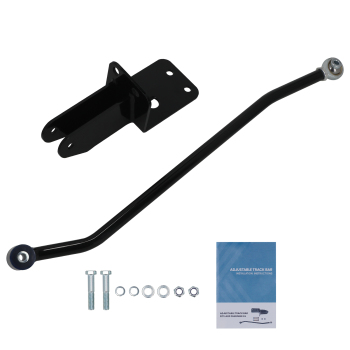
Price: $119.99
DTP Parts is reader-supported. When you buy through links on our site, we may earn an affiliate commission at no extra cost to you.
.jpg?x-oss-process=image/auto-orient,1/quality,q_100/resize,m_mfit,w_350,h_350)
Price: $118.00
DTP Parts is reader-supported. When you buy through links on our site, we may earn an affiliate commission at no extra cost to you.
.jpg?x-oss-process=image/auto-orient,1/quality,q_100/resize,m_mfit,w_350,h_350)
Price: $117.00